Most pool owners know they're supposed to "balance the water." But what does that actually mean, and how do you know if your water is safe for your family to swim in?
This is one of the most common conversations we have at our Uxbridge store. Here's a plain-language breakdown of what pool water testing actually tells you, and why it matters more than most people realize.
Why Water Balance Matters
Unbalanced pool water doesn't just look bad, it can:
-
Irritate eyes, skin, and respiratory systems
-
Corrode your pool equipment (pumps, heaters, fittings)
-
Damage your pool surface (etching on plaster, fading on liners)
-
Allow bacteria and algae to grow, even when chlorine is present
The goal of water testing is to catch imbalances before they become problems — not after your water turns green or your kids come inside with red eyes.
What a Professional Water Test Measures
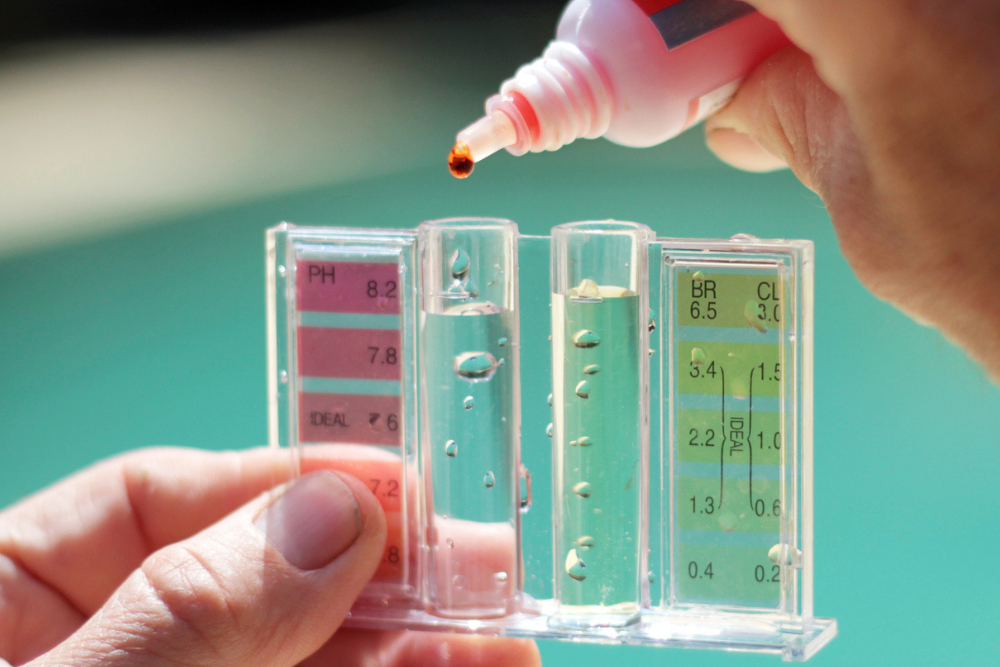
Test strips give you a rough picture. A professional test — like the ones we do for free at our Uxbridge store — gives you the full picture:
-
Free Chlorine: The active sanitizer. Too low and bacteria can grow. Too high and it irritates skin.
-
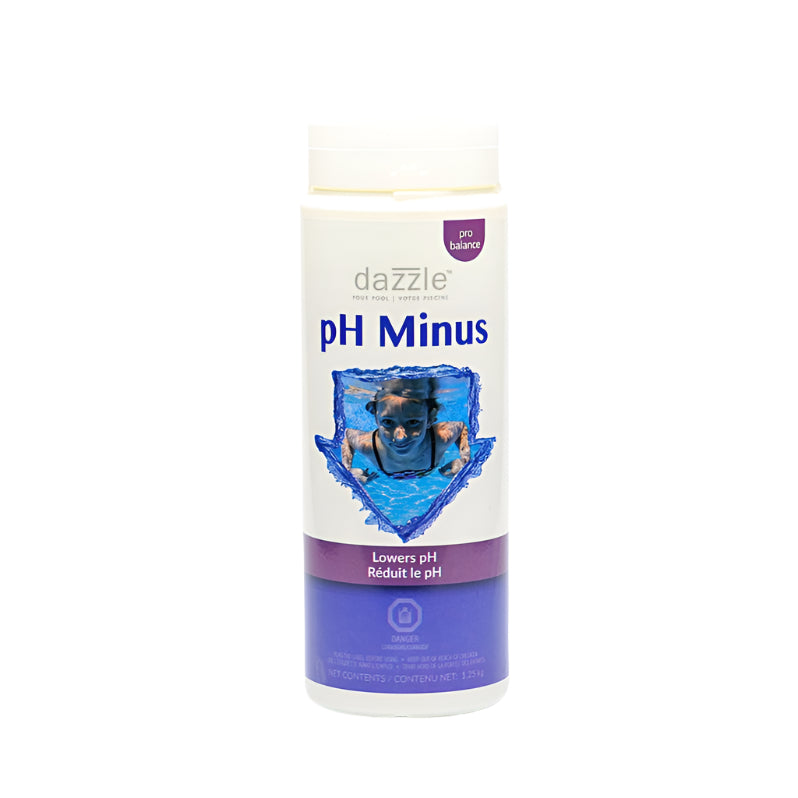
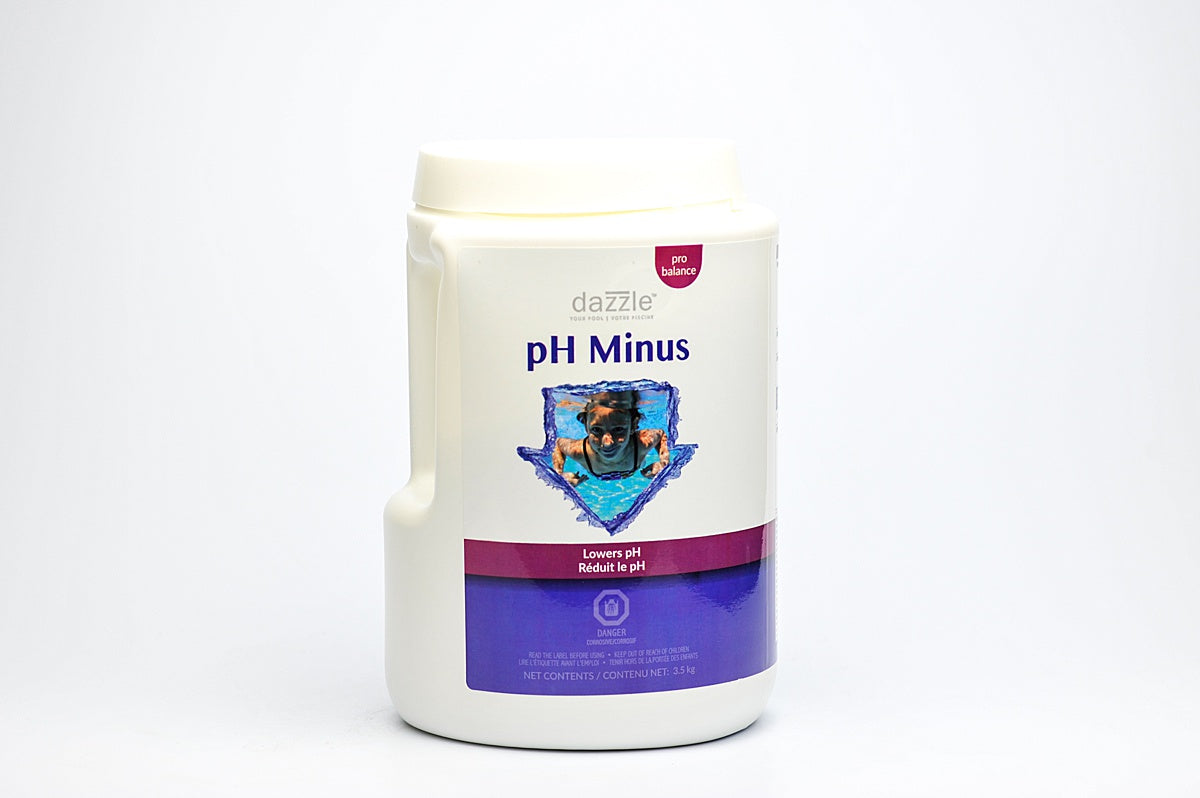
pH: How acidic or basic your water is. The sweet spot is 7.4–7.6. Outside that range, chlorine becomes much less effective.
-
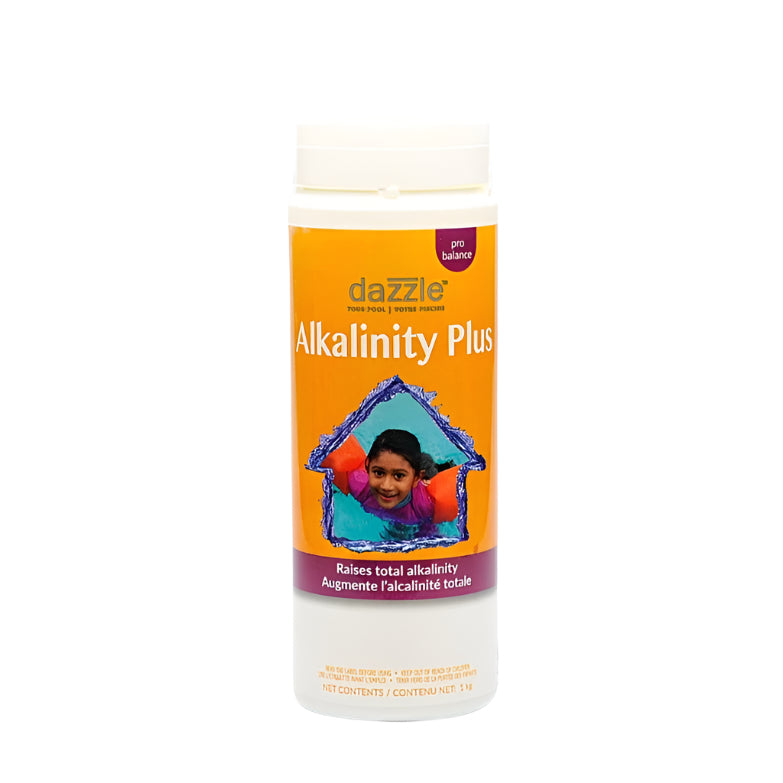
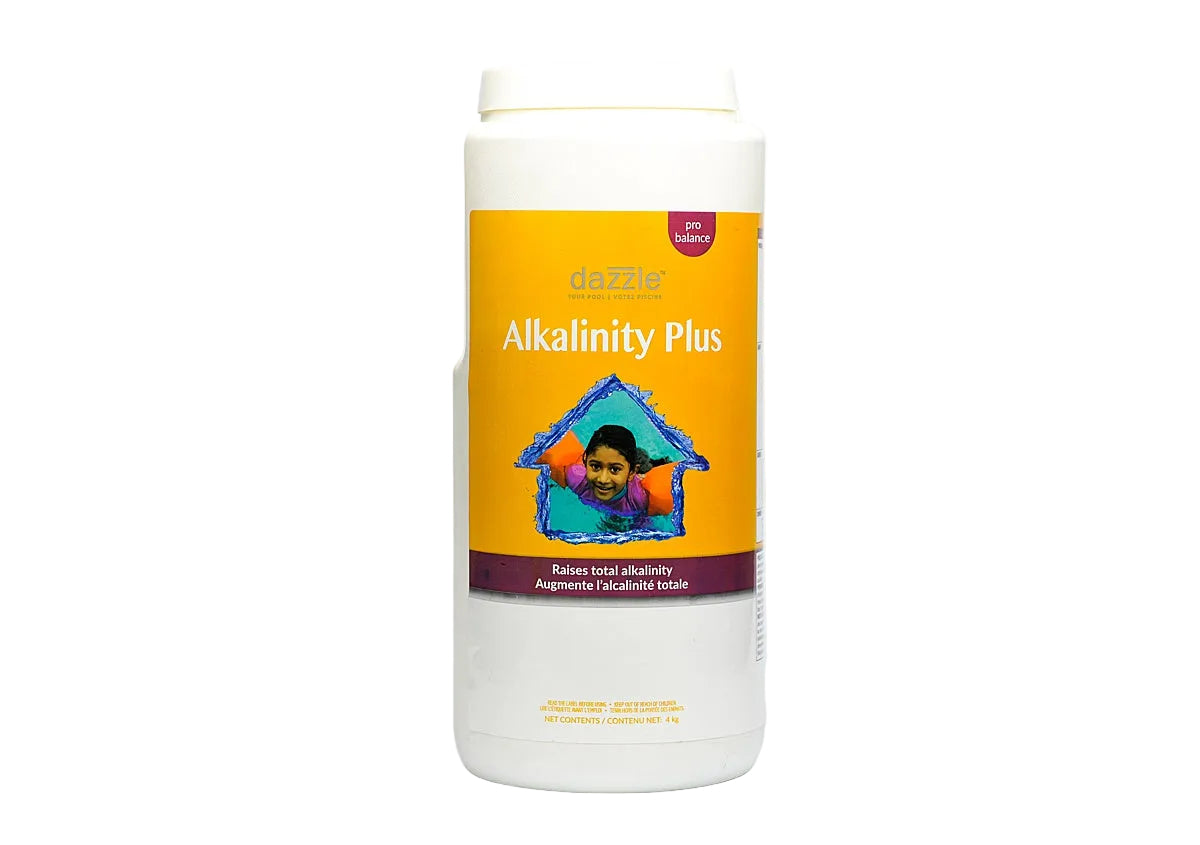
Total Alkalinity: Acts as a buffer for pH. When TA is off, pH swings wildly and becomes hard to control.
-
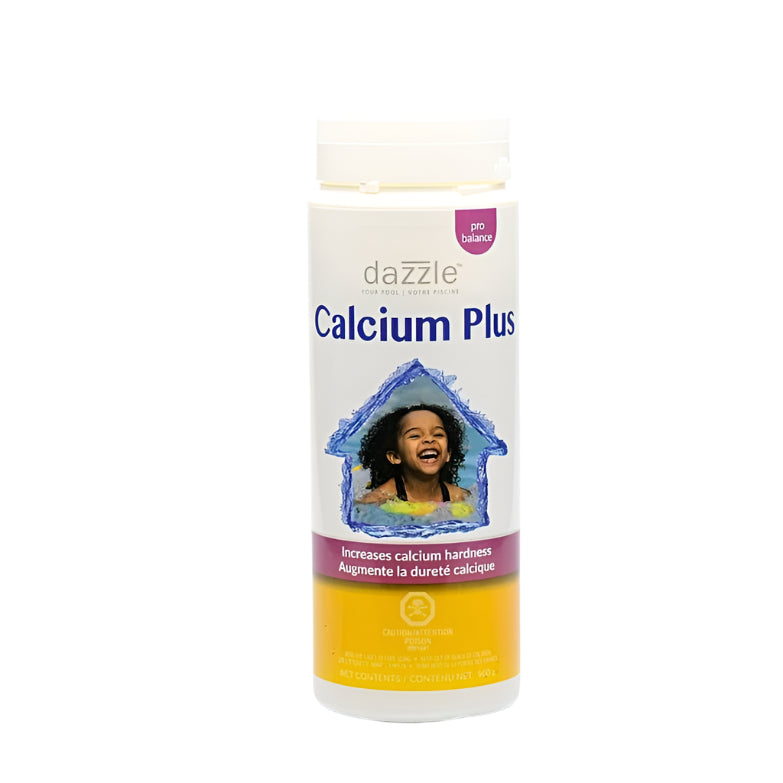
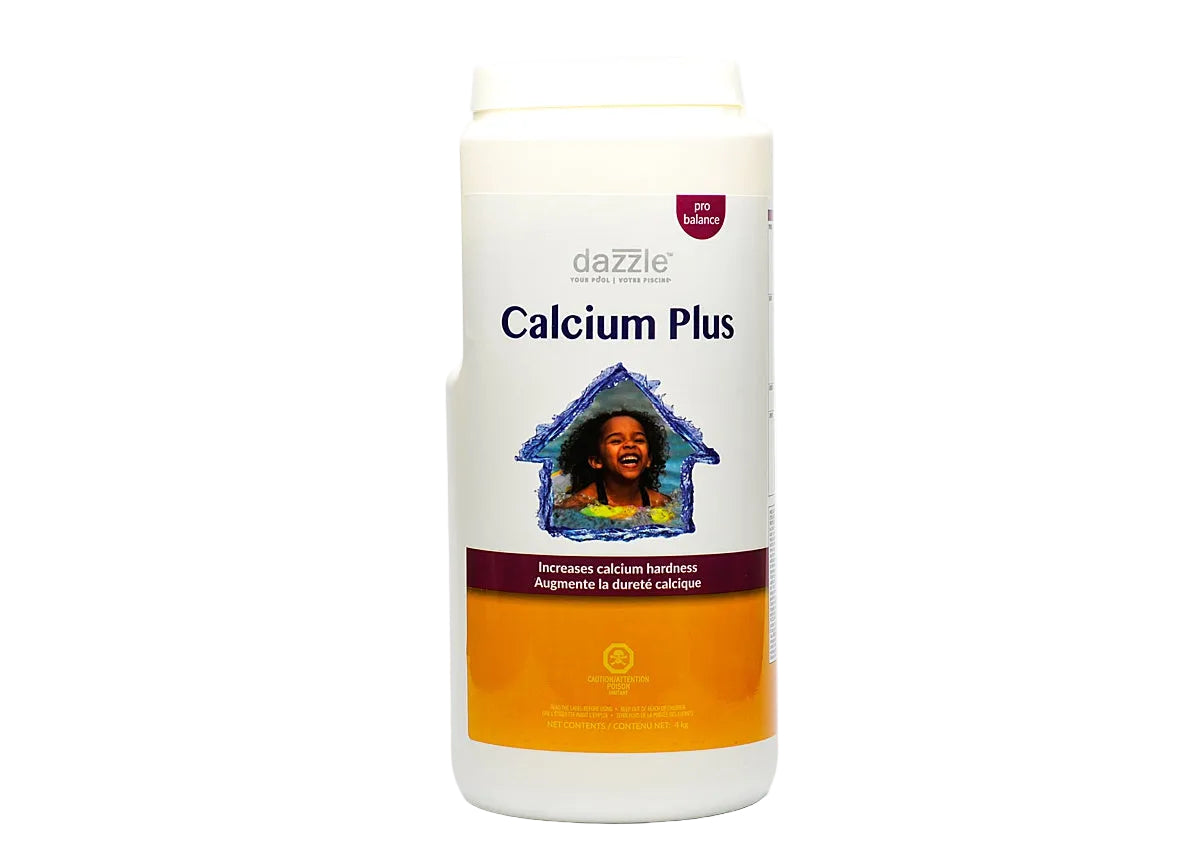
Calcium Hardness: Low calcium causes water to leach minerals from your pool surfaces. High calcium causes scaling on equipment and surfaces.
-
Cyanuric Acid (CYA): A stabilizer that protects chlorine from UV breakdown. Too much and your chlorine stops working properly.
-
Total Dissolved Solids (TDS): A measure of everything dissolved in your water. High TDS means it's time for a partial drain and refill.
-
Metals (iron, copper): Especially relevant if you're on well water. Metals cause staining and can turn your water green or brown.
What Happens When You Bring a Sample In
Bring about 250ml of pool or hot tub water in a clean container (a water bottle works fine). We run it through our testing system, print out your results, and walk you through them in plain language.
We'll tell you exactly what to add, in what order, and how much. No jargon, no pressure to buy more than you need.
This takes about 10 minutes and it's completely free.
How Often Should You Test?
-
At home with test strips: 2–3 times per week during swim season
-
Professional test at our store: At least once a week and before your water looks off
-
Spring opening: Always start the season with a professional test
-
After heavy rain or heavy use: Both can throw your chemistry off quickly
The Bottom Line
You wouldn't drink water without knowing it's safe. The same logic applies to the water your family swims in. A quick test takes minutes and can save you hundreds in chemical costs, equipment damage, and frustration.
Bring a sample to 37 Main Street North, Uxbridge, any day of the week. We'll handle the rest.