


We're big believers in empowering pool and hot tub owners to handle the basics themselves. It saves you money, builds confidence, and means you're not waiting on a service call for something you can knock out in 20 minutes.
But there are also things that look simple and aren't, and where a DIY attempt can turn a $200 repair into a $2,000 one. Here's our honest breakdown.
5 Things You Can Absolutely Do Yourself
1. Clear Clogged Skimmer and Pump Baskets
Turn off the pump, remove the basket, dump the debris, rinse it out, and reinstall. Do this weekly during swim season. A clogged basket starves your pump of flow and can cause it to run dry, which damages the seals.
2. Backwash Your Sand Filter
If your filter pressure gauge reads 8–10 psi above its clean baseline, it's time to backwash. Turn the pump off, set the valve to "backwash," run for 2–3 minutes until the sight glass runs clear, then rinse for 30 seconds, and return to "filter." That's it.
3. Adjust Your Water Chemistry
Once you understand the order of operations (alkalinity first, then pH, then sanitizer), adjusting your water chemistry is very manageable at home. Test strips work for routine checks. For anything more complex, or if your water isn't responding, bring a sample to us for a free professional test.
4. Clean Your Hot Tub Filter Cartridges
Remove the cartridges, rinse with a garden hose (spray between the pleats), and soak in a filter cleaning solution monthly. Rinse thoroughly before reinstalling. Clean filters mean better water clarity and less strain on your pump.
5. Shock Your Pool or Hot Tub
Shocking (adding a large dose of oxidizer) breaks down chloramines and kills bacteria. For pools, do it weekly during swim season and after heavy use or heavy rain. For hot tubs, shock after each use or at least weekly. Add shock in the evening and run the pump overnight.
3 Things You Should Leave to the Professionals
1. Electrical Work
Anything involving wiring, GFCI breakers, panel connections, or submerged lighting should be handled by a licensed electrician or a certified pool technician. Water and electricity are a dangerous combination, and Ontario electrical code requirements exist for good reason.
2. Leak Detection and Repair
If your pool or hot tub is losing water faster than normal evaporation (more than 1/4 inch per day for a pool), you have a leak. Finding it requires pressure testing and sometimes dye testing. Attempting to seal a leak without locating the source first usually makes things worse.
3. Heater Repairs
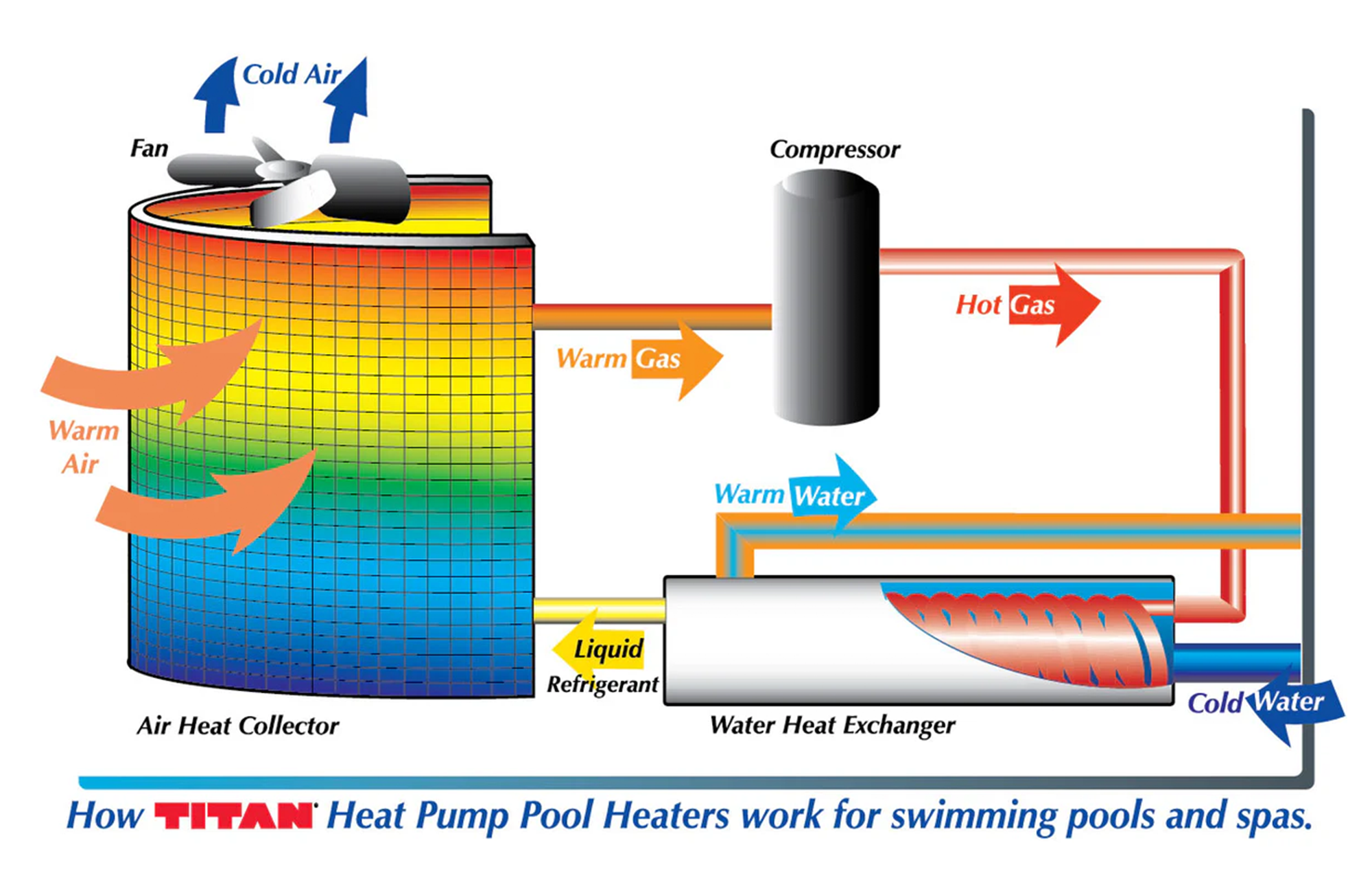
Gas heater issues involve combustion systems, gas lines, and heat exchangers. These require specialized tools and training. A heater that's firing incorrectly isn't just an inconvenience; it can be a safety hazard.
The Rule of Thumb We Use
If the fix involves water chemistry, cleaning, or basic mechanical tasks (baskets, filters, valves), try it yourself. If it involves electricity, gas, plumbing under pressure, or anything you're genuinely unsure about, call us.
We'd rather spend 10 minutes on the phone helping you troubleshoot than have you turn a small issue into a big one.
Main Street Pool & Spa, 37 Main Street North, Uxbridge. We're here, and we're always happy to talk through what you're dealing with before you dive in.


Leave a comment
This site is protected by hCaptcha and the hCaptcha Privacy Policy and Terms of Service apply.