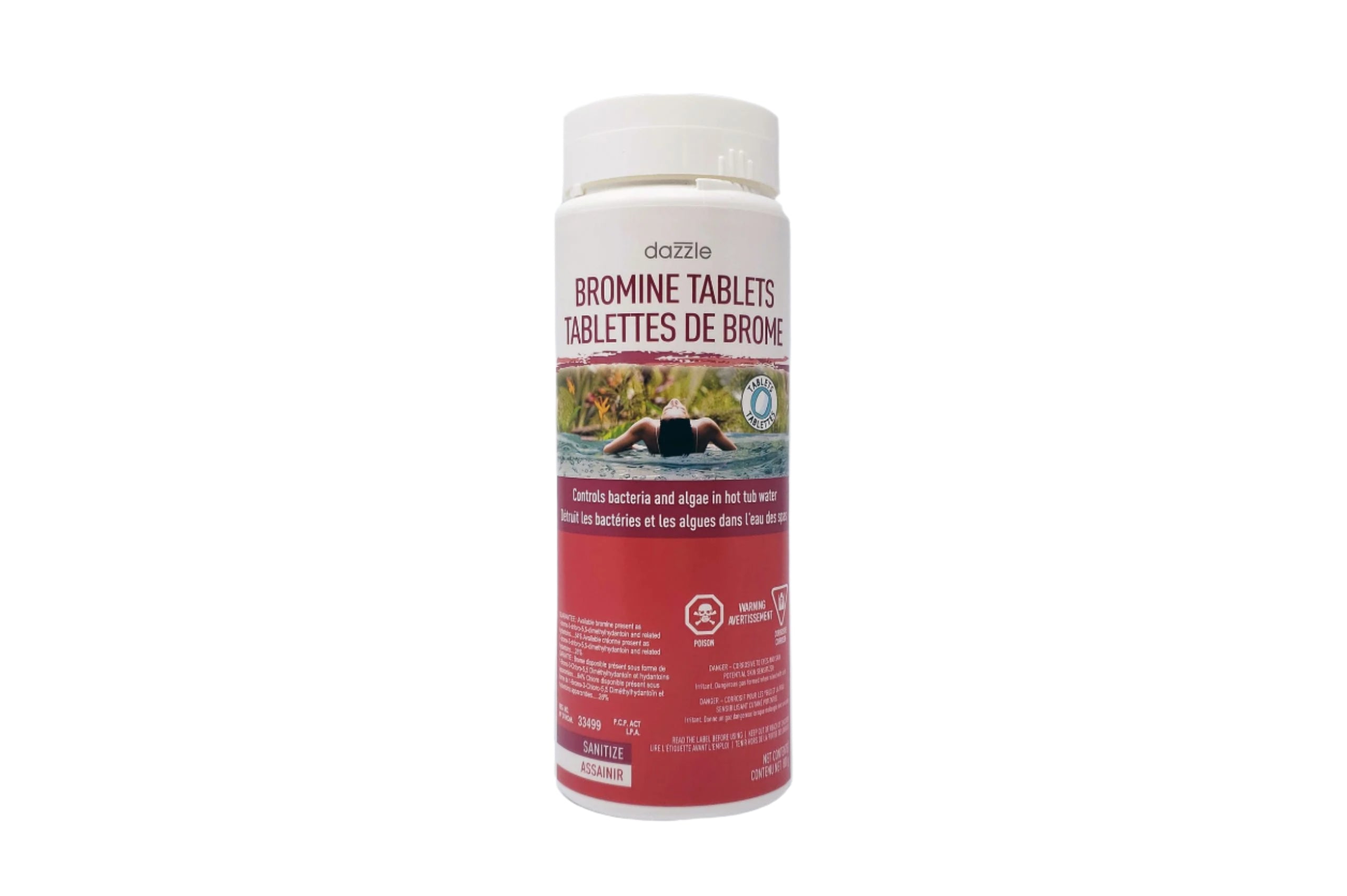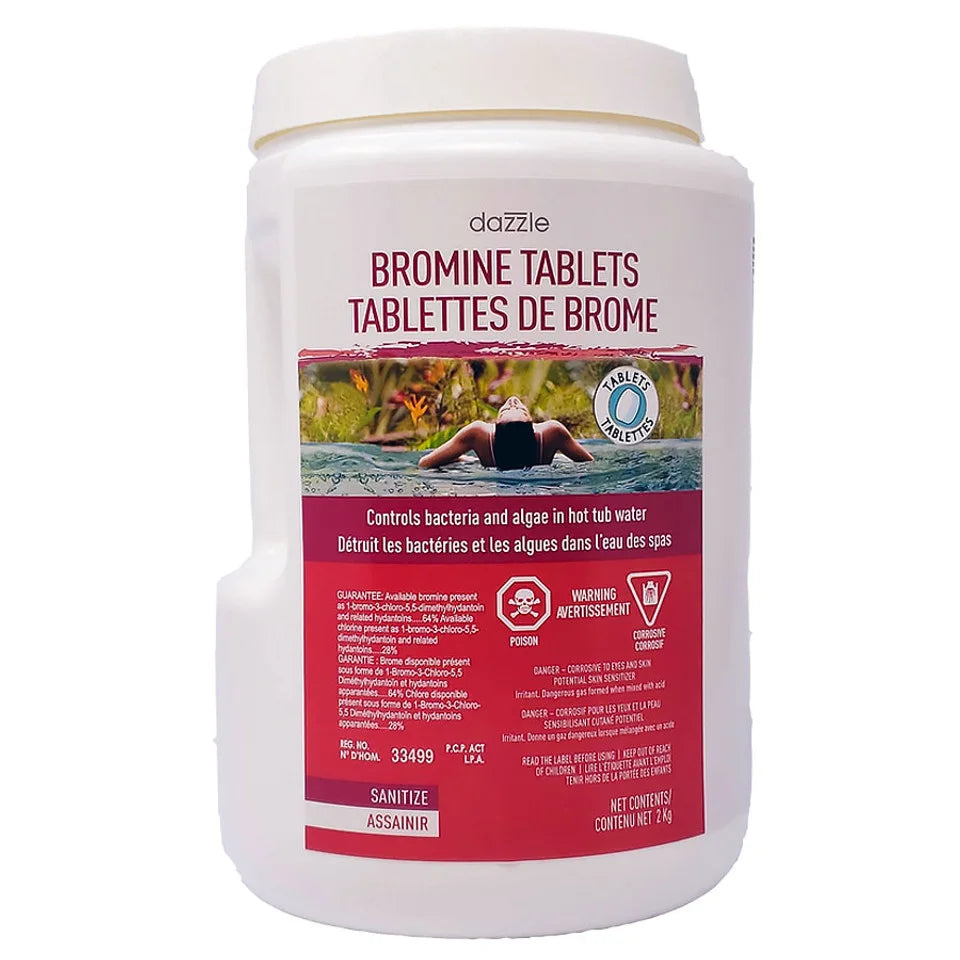
Every summer, pool stores see the exact same pattern. Homeowners come in midway through July holding a water sample, looking completely defeated.
“My water’s cloudy and turning green, but my test kit says my chlorine is maxed out at 5 or 8 ppm. I bought a giant bucket of pucks from the big-box store. Why isn’t it working?”
If that’s your pool right now, you’re not alone. We sat down with Rob Kamstra, a veteran pool chemical distributor and Director of Business Development with Backyard Brands, to get the real story on cheap chlorine pucks, stabilizer buildup, and how to fix your water without draining your wallet.
1. Not All Pucks Are Made the Same
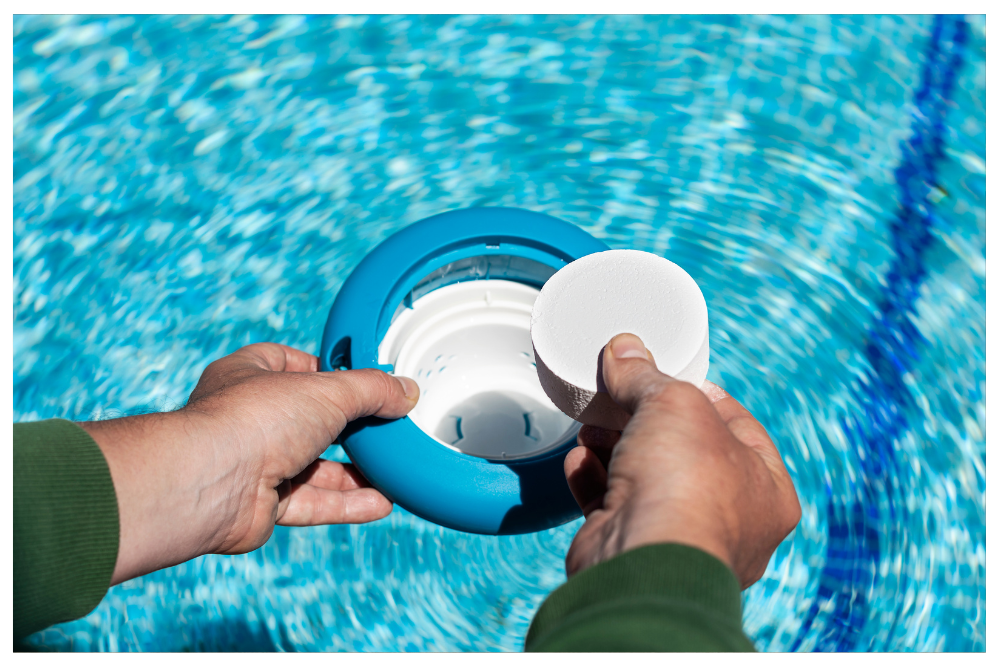
On paper, a big-box puck and a premium pool-store puck look identical. Both list Trichlor at roughly 90% available chlorine. Same ingredient, vastly different results.
Rob explains it with a clear comparison:
“All steaks come from beef, and all wines are made from grapes. A cheap cut cooked fast isn’t a prime ribeye, and a five-dollar bottle isn’t a fine vintage. Same starting point, different result.”
You can usually tell the difference in how they dissolve. Some cheap pucks dissolve fast and turn gummy, breaking down into a soft, sticky residue that clogs your skimmer basket instead of wearing down cleanly. Higher-grade options hold together and wear down evenly.
“It’s like forged metal versus cast metal,” Rob says. “A high-quality stick dissolves evenly down to the size of a toothpick instead of falling apart in your skimmer.”
2. Watch What You Stack on Top
Some brands sell a two-part puck with a “shock layer” on top, which is usually made of Dichlor.
Dichlor carries stabilizer too, so stacking it on top of a Trichlor puck means you’re adding more stabilizer than you might realize, week after week. It’s not an immediate disaster, but it’s crucial to know what’s actually going into your water before you toss it in.
3. Why Chlorine Can Feel “Stuck”
Is chlorine lock real? Not exactly. Chlorine doesn’t just stop working. But once your stabilizer, cyanuric acid (CYA), level climbs into a higher range, it drastically slows down how quickly chlorine does its job.
Here’s the mechanism:
- The Benefit: Cyanuric acid bonds to chlorine to protect it from the sun. That’s the entire point of stabilizer, it keeps your chlorine from burning off in a single afternoon.
- The Trade-Off: At higher levels, more of your chlorine gets tied up in those bonds, meaning less of it is immediately available to sanitize. Instead of 1 to 3 ppm doing the job, you might need significantly higher levels just to get the same basic result.
Every Trichlor puck comes bonded with stabilizer; that’s simply how the chemistry works. As the chlorine gets used up fighting bacteria and algae, the stabilizer stays behind. CYA does not evaporate, so it builds up continuously over a season if it isn't diluted.
4. Skip the Internet Hacks
When pool owners get desperate, they often turn to social media groups for quick fixes, frequently with rough results. Rob shares a story of a customer who was told on Facebook to toss raw copper wire directly into her skimmer as a cheap algaecide:
“Copper is a decent algaecide on its own, but combine it with high stabilizer in the water and you can get copper cyanurate. It drops out of solution and stains the liner bright purple. It’s a massive pain to fix. DIY internet hacks are like skipping oil changes, everything’s fine until it suddenly isn’t.”
5. The Real Fix: Dilute and Reduce Demand
If your stabilizer levels have crept up into the danger zone, dilution, draining a portion of your water and refilling with fresh water, is still the most reliable reset. It’s not glamorous, but it works.
Since draining isn’t always convenient (and isn’t recommended for fibreglass pools), the smarter long-game move is reducing how hard your chlorine has to work in the first place. Fewer demands on your chlorine means you can get away with burning through fewer pucks.
Rob’s Blueprint to Lower Puck Usage:
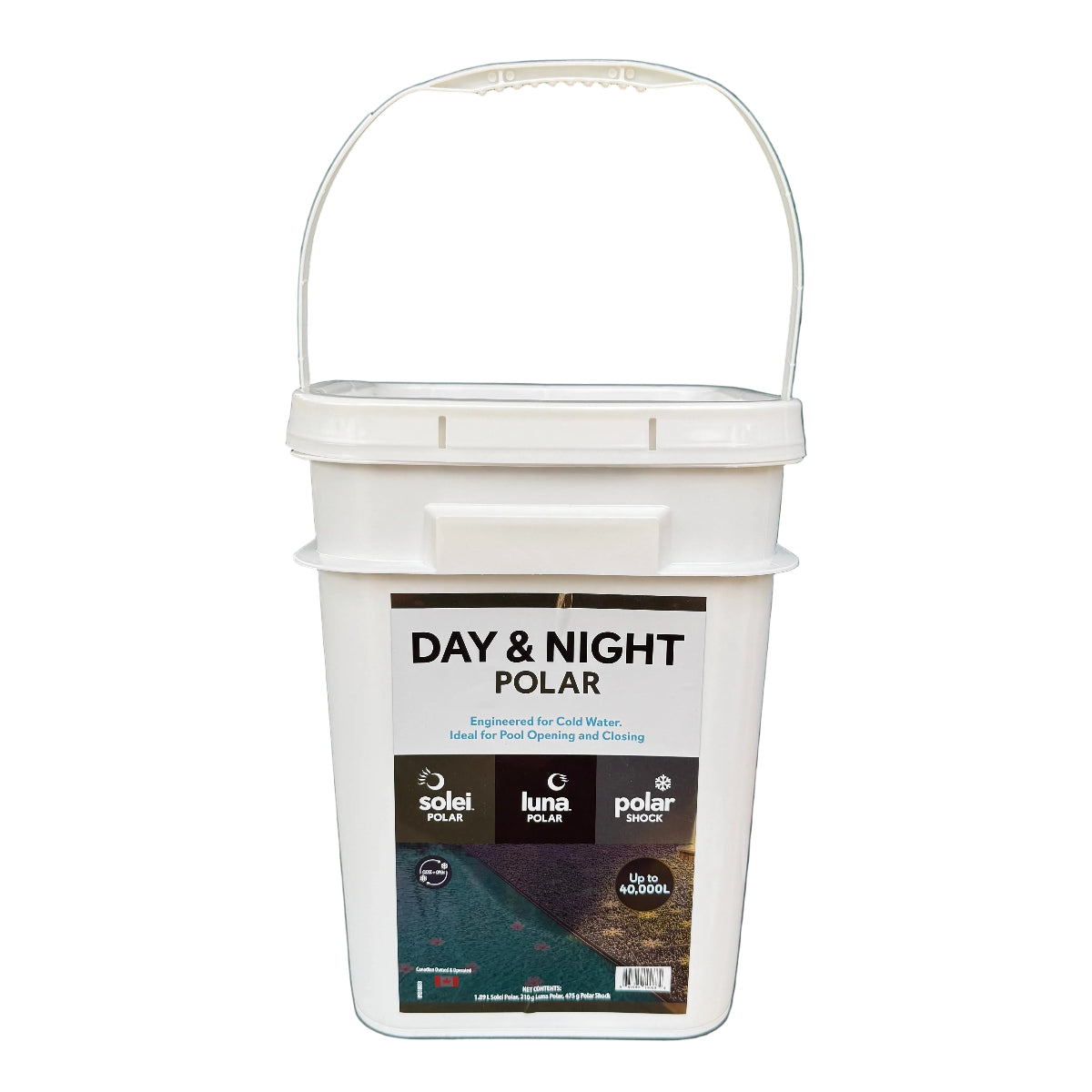
- Continuous Oxidation (e.g., Soleil): Solar-activated oxidizers work whenever the sun is out, clearing organic waste so chlorine can focus strictly on killing bacteria instead of doing double duty.
- Biofilm Breakers (e.g., Luna): Bacteria build a slimy shield to protect themselves. Specialty products break that shield down at night so chlorine can destroy bacteria without a fight.
- Enzymes and Phosphate Removers: Cutting off algae’s food source takes a huge amount of the overall load off your sanitizer.
By adding these into your routine, you can turn down your salt cell or cut back significantly on pucks, which naturally keeps stabilizer levels in check all season long.
Stop Guessing, Get Tested
If your chlorine reads high but your pool is still cloudy, don’t keep dumping in more pucks!
Bring a fresh water sample into our store today. We’ll run a precise test on your stabilizer levels, check your active chlorine ratio, and map out the simplest, most cost-effective path back to crystal-clear water.